

The Poorest Country
Haiti lies on the western half of the island of Hispaniola in the CaRRIBean, not far from the United States.
It is the poorest country in the Western Hemisphere, a nation long marked by political instability and chronic insecurity.
A Happy Soul
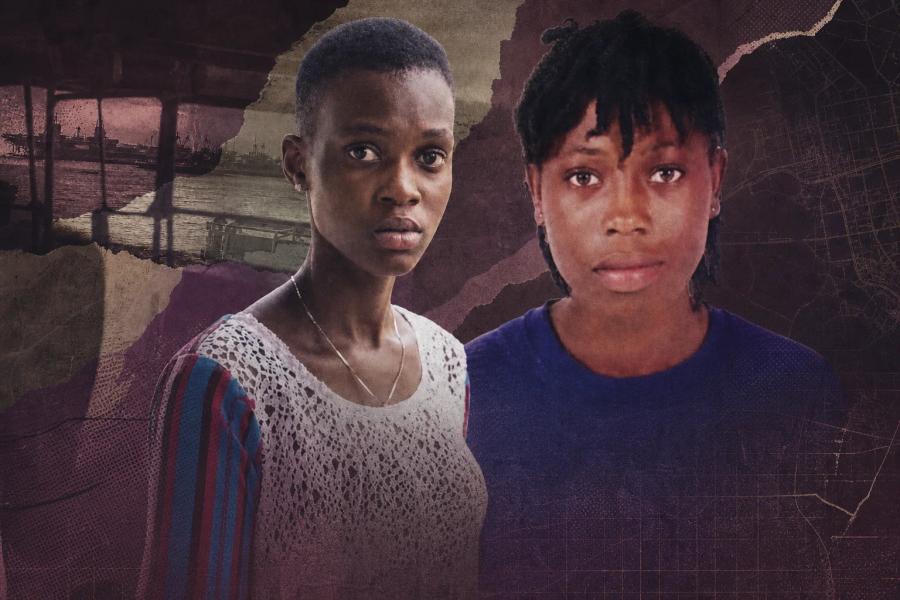
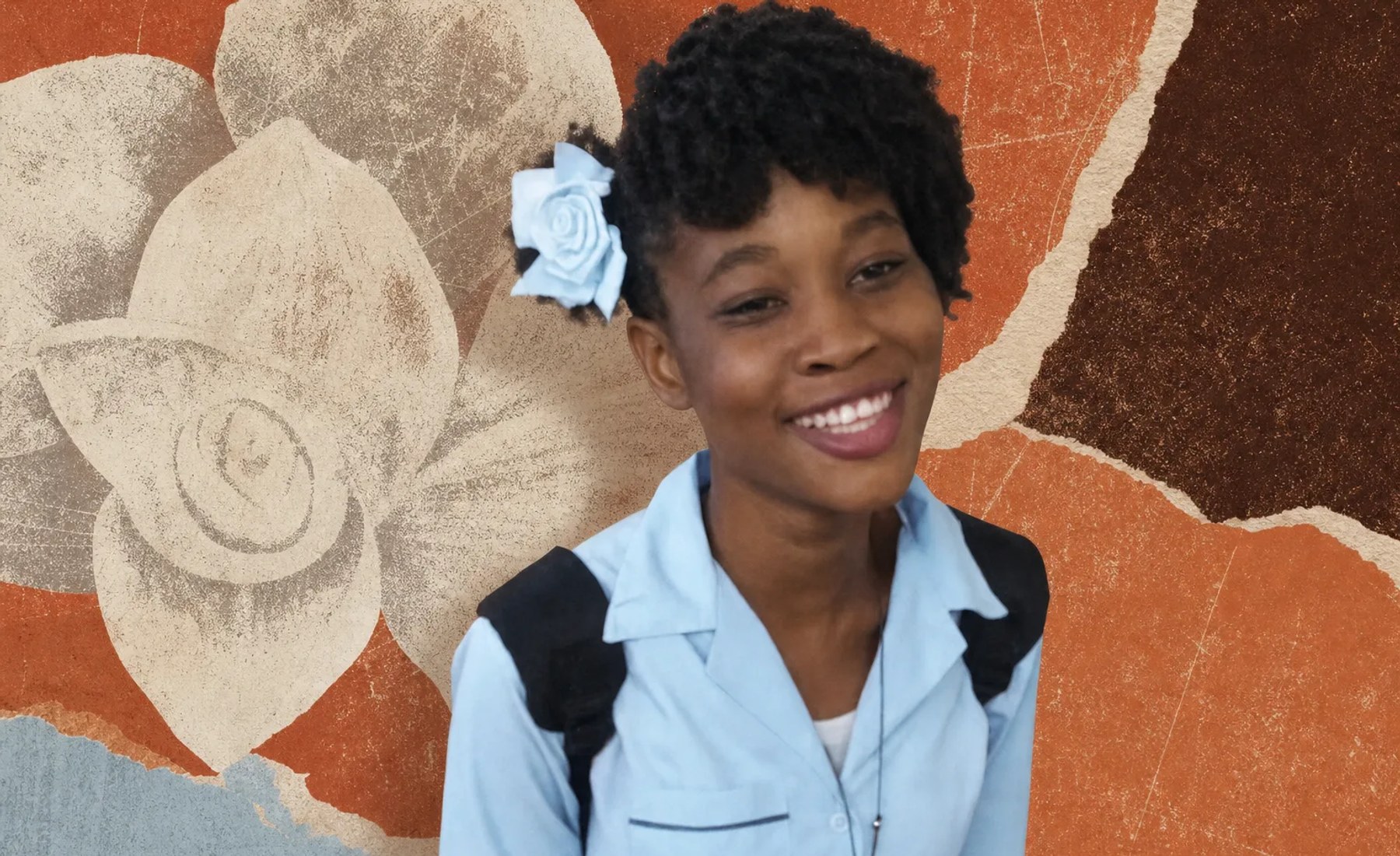
Evelyne Sincère grew up in Port-au-Prince, Haiti's bustling capital. In many ways she was an ordinary young woman with modest dreams. At 22, she was still in secondary school, preparing to take her baccalaureate exams so she could graduate.
Friends described Evelyne as a kind, lively soul – "a happy soul who had a dynamic personality".
She lived with her family in a working-class neighborhood, and her father eked out a living selling small goods on the street.
Money was always tight, but Evelyne was determined to finish her schooling. Those who knew her say she had a bright smile and a caring nature; she tutored younger students and helped neighbors when she could. "She was a leader… engaged in the community," one of her teachers recalled, fighting back tears.
Evelyne's world was her family, her school, and the church – a typical life for a young Haitian woman striving for a better future.
Kidnap Capital
By the autumn of 2020, however, life in Port-au-Prince had taken a dangerous turn. Kidnappings for ransom were surging to unprecedented levels. Armed gangs preyed on people from all walks of life.
In years past, only wealthier Haitians had usually been targets – professionals, business owners, foreigners – with ransoms sometimes reaching six figures. But now the gangs were snatching anyone they could.
"Kidnappings have terrorized Haiti for many years... What has unsettled Haitians this year is that the kidnappers now target residents of the poorest neighborhoods," a Voice of America report noted at the time.
In fact, 2020 saw a dramatic spike in abductions: there were nearly 200 kidnappings reported that year, up from just 39 the year before.
No one was immune, not even struggling families in the slums. The hostage-takers would demand impossible sums, and when families couldn't pay, the unthinkable happened – "bodies are stacking up", as one human rights observer described it grimly.
The Boyfriend
This was the climate in which Evelyne Sincère came of age. She and her classmates walked to school each day knowing that ordinary people like them were now potential prey. Yet Evelyne kept her optimism and focus.
She still believed in her education and in the simple pleasures of youth – like falling in love.
It was through Facebook that Evelyne had met a young man named Obed Joseph. He was around her age – 22 – soft-spoken and slight in build, and he seemed friendly. They started chatting online and eventually began dating.
By late 2020, Evelyne and Obed had been seeing each other for nearly two years.
Evelyne often talked about him to her close friends; he was her first serious boyfriend.
To Evelyne's family, Obed was a familiar name. They knew he worked as a motorcycle taxi driver and lived in the capital, though they hadn't met him in person. There was no obvious reason to distrust him.
'If You Don't Pay, I'll Kill Her'
On Thursday October 29 2020, Evelyne spent the morning sitting for an exam at her school, Lycée Jacques Roumain. She finished by midday and chatted with a girlfriend about her plans. Evelyne mentioned she would stop by her sister's place and then go to see Obed afterwards.
It seemed like an ordinary plan for an ordinary afternoon. With her exam behind her, Evelyne likely felt relieved and happy as she set out to visit the young man she cared for.
Evelyne never came home that night. When dusk fell on October 29 and there was still no sign of her, her family grew anxious. By all accounts, Evelyne was responsible and not prone to running off without notice – especially knowing the dangers out on the streets.
As evening turned to night, worry gave way to terror. Evelyne's phone was going unanswered. Around 10 PM, her relatives' phone rang at home. On the line was a strange voice delivering the words every Haitian family dreads: Evelyne had been kidnapped. The caller was cold and businesslike. He demanded a ransom in exchange for Evelyne's safe return. The sum he named was outrageously high – far beyond anything Evelyne's family could afford. One of Evelyne's friends later revealed that she too received a call from the kidnappers that night: they demanded $6,000 USD for Evelyne's life.
Another report indicated the captors initially wanted even more – up to $15,000 in ransom.
To a poor family who sold street snacks for a living, these figures were astronomical. Evelyne's loved ones pleaded and bargained, but the kidnappers were unmoved. Over the phone, the friend begged that $6,000 was impossible – she had nowhere near that kind of money.
The kidnapper's reply was bone-chilling: "If you don't pay, I'll kill her and dump her on a pile of trash," he snarled.
Seventy-Two Hours
Through that long night and into the next day, Evelyne's family scrambled desperately to save her. They pooled whatever modest savings they had. They reached out to relatives, neighbors – anyone – to collect money.
At one point they managed to scrape together roughly $1,000, a small fortune for them but only a fraction of what the kidnappers demanded.
They relayed the offer, hoping against hope it might appease the captors. But it did not. The voice on the other end of the phone line dismissed the sum as insufficient.
Tense hours passed with little communication. One can only imagine the agony Evelyne's family endured as they waited by the phone, imagining what might be happening to her. They likely reported her abduction to the police – by 2020, kidnapping had become so common in Haiti that families were often reluctant to involve authorities, but given the brutality of the threats, the Sincère family sought any help they could get.
Meanwhile, somewhere in the warren of Port-au-Prince's neighborhoods, Evelyne was being held prisoner, utterly helpless.
A Barrel in Delmas 24
For three days, there was no sign of Evelyne. Then, on Sunday morning, November 1, the kidnappers made their final move. A call came in to Evelyne's family with grim instructions: they could find Evelyne at a certain location in Delmas 24.
The voice effectively told them to go retrieve her corpse. It was a cruel taunt – the gang had never intended to let her go alive. Evelyne's older sister, Enette, rushed to the spot as directed, praying for a miracle but bracing for the worst.
The directions led her to an open garbage dumping ground used by local refuse trucks. Amid the buzzing flies and smoking heaps of waste, Enette searched frantically. Then she saw the metal drum half-buried in refuse – and inside, a human form.
She recognized her sister's clothing. What followed was a scene of unimaginable heartbreak. Enette called out for help, and soon local officials and police arrived to cordon off the area.
Justice of the Peace Jean Flaury Raymond, a magistrate tasked with documenting deaths, examined the body on-site. He later recounted that Evelyne's remains showed clear evidence of torture: multiple bruises, welts, and other injuries all over.
Her clothing was in disarray; she appeared to have been partially stripped. Raymond observed signs of sexual assault as well – confirming that Evelyne had been violated before her death.
These findings would be backed up by a subsequent autopsy. Evelyne Sincère, who just days earlier had been sitting an exam and laughing with friends, had endured a final 72 hours of horrific abuse.
'We Want to Live!'
As word spread that Sunday about the murder, Haiti reacted with shock, sorrow, and fury. News of the young student's body found in a trash heap hit the country like a gut punch. Almost immediately, her name became a rallying cry.
Radio stations interrupted programming to report on the crime. Photographs of Evelyne – smiling in her school uniform – circulated widely on social media, juxtaposed against the horrific details of her death. The Haitian President at the time, Jovenel Moïse, took the unusual step of commenting personally within hours.
"As a father, I am profoundly shocked by the kidnapping and murder of the young student Evelyne Sincère. These types of atrocities are unacceptable," Moïse tweeted, adding that police "have no choice but to put the criminals responsible… in a place where they can no longer do harm.".
Justice Minister Rockfeller Vincent also went on air to denounce the crime as "odious and fundamentally revolting," vowing that the perpetrators would be hunted down without delay. Such high-level attention was not common; it showed how deeply Evelyne's murder had struck a chord. To many Haitians, it was the final straw, an intolerable symbol of the lawlessness that had been escalating.
Within a day of the discovery, spontaneous protests began. On Monday, November 2, small groups of students gathered in front of government offices holding signs and photographs of Evelyne. By mid-week, these gatherings swelled into massive demonstrations.
On November 5, thousands of high school students – many in their school uniforms – marched through the heart of Port-au-Prince.
They carried handwritten banners that read "Justice for Evelyne" and "Down with kidnapping, down with impunity." Teenagers who would normally be in class were now chanting in the streets, "We want to live! We want to live!". In their hands, they held up Evelyne's portrait.
Some even hoisted a small coffin aloft as a stark symbol of what had been lost.
There was an outpouring of public empathy for the Sincère family – Evelyne could have been anyone's daughter, sister, or friend. As one protester passionately told a reporter, "Why is it always the poor who are targeted by these criminals? This is too much; we can't stand it anymore. We are calling for justice!".
His voice captured a collective frustration: ordinary Haitians were fed up with living in terror, feeling unprotected and ignored by their own government.
Over the coming days, the protests only grew. Students were soon joined by parents, teachers, and other citizens from all walks of life. In an extraordinary display of solidarity, rival political groups set aside differences to march for Evelyne.
The demonstrations spread beyond the capital; in the city of Jacmel and the northern town of Cap-Haïtien, candlelight vigils were held. Outside the very dump in Delmas 24 where Evelyne had been found, mourners created an impromptu memorial – they placed flowers, lit candles, and posted messages that read We will never forget you, Evelyne.
Her classmates at Lycée Jacques Roumain organized their own tribute: one evening they gathered in their school courtyard, each student holding a candle. Through tears, they shared memories of Evelyne's warmth and humor. "Evelyne was more than a friend, more than a sister, and they took her away from us – our hopes have been dashed," one schoolmate said, his voice trembling.
Teachers spoke of the profound sadness that hung over the campus, of an empty seat in class that would never be filled. Haiti's diaspora community also rallied: Haitian soccer star Duckens Nazon (playing in Europe) and internationally renowned DJ Michael Brun were among those who posted Evelyne's photo online, expressing outrage and solidarity.
The hashtagJusticeForEvelyne trended among Haitian users on Twitter and Facebook. Evelyne Sincère, in death, had become a symbol – of innocence destroyed, of a nation's youth betrayed by unchecked violence.
Barbecue's Delivery
All the while, the Haitian National Police were under intense pressure to deliver justice. The public outcry was a direct challenge to them: find Evelyne's killers, and find them fast. Investigators from the Central Directorate of Judicial Police had begun working the case as soon as Evelyne was reported missing.
Now, with her body found and evidence of heinous abuse, the manhunt took on even greater urgency. Early leads quickly pointed in a troubling direction: whoever kidnapped Evelyne may not have been a stranger at all, but someone she knew and trusted.
As they interviewed Evelyne's friends and relatives, detectives kept hearing one name – Obed "Kiki" Joseph – the boyfriend Evelyne had planned to visit the day she disappeared.
One friend confirmed that Evelyne had been on her way to see Obed on October 29, and that she often met him in Delmas, near where her body was ultimately found.
Obed's phone number was the last contact in Evelyne's call records before she vanished. By November 2, police had a clear picture: Obed Joseph was the prime suspect in orchestrating the kidnapping. The National Police Commissioner issued a wanted notice for the 22-year-old and warned that he was considered armed and dangerous.
Authorities believed Obed might try to flee the area or even the country to escape arrest.
What happened next was something no one expected. On the night of Wednesday, November 4, Haiti's most notorious gang leader suddenly inserted himself into the saga. Jimmy Chérizier – better known by his grim nickname "Barbecue" – went live on Facebook with a startling announcement.
Barbecue was a former police officer turned gang boss, infamous for violence and wanted in connection with several massacres. Yet there he was on camera, flanked by heavily armed men, claiming he had captured Obed Joseph.
In the video, the young suspect was shown sitting meekly beside Chérizier, looking down at his hands. Barbecue stated that he had apprehended "Kiki" and delivered him to a police station in Port-au-Prince as a gesture of justice for Evelyne Sincère.
It was a surreal twist: a wanted outlaw handing over another criminal to the authorities. Haitian viewers could barely believe it – the self-proclaimed guardian was himself one of the country's most feared criminals. The National Police later confirmed that Obed Joseph was indeed now in custody.
However, they pointedly refused to comment on why Chérizier, who had multiple warrants out for his own arrest, was allowed to walk away a free man after essentially delivering Obed to them.
The whole episode fueled rampant speculation. Some wondered if Barbecue's vigilante act was a cynical bid to gain public favor, or perhaps an attempt to embarrass the police. Others thought it was a sign of just how powerless the authorities had become – that a gang leader could operate with impunity even as he played the role of avenger.
One popular slogan in the protests that week bit with irony: "The police and Barbecue are twins," implying that the line between outlaw and law enforcer had all but vanished.
'The Guilt Is So Atrocious'
Despite the bizarre circumstances, one outcome was clear: the prime suspect in Evelyne's murder was now behind bars. With Obed Joseph secured, investigators turned their attention to rounding up any accomplices. Leads pointed to a particular house in the Nazon area of Port-au-Prince where Evelyne might have been held.
Before dawn on November 9, police units launched coordinated raids at two locations – one in Nazon and one in Delmas 24, near the dump site. In those raids, they arrested two brothers, Evald Domerçant (28 years old) and Michel Jerry Domerçant (22).
These brothers were known petty criminals in the area, and crucially, they were associates of Obed. In fact, police learned that Obed had been staying at the Domerçant brothers' house in Nazon around the time of Evelyne's abduction. During the raid, officers also detained a young woman who was present – she turned out to be Evald's girlfriend, Ruselène B., who claimed she had no idea a kidnapping was unfolding under that roof.
(Police treated her as a material witness; her level of involvement, if any, remained unclear.) With these arrests, the core group of suspects was now in custody. The pieces of the puzzle were coming together, and soon the world would hear directly from the culprits themselves how this awful crime had transpired.
On November 9, 2020, a week after Evelyne's body was found, Haitian authorities held an extraordinary press conference at the police headquarters. In front of assembled journalists and television cameras, the police presented three handcuffed young men: Obed Joseph, Evald Domerçant, and Michel Domerçant.
They stood in a somber line, flanked by armed officers, as Inspector Garry Desrosiers – the National Police's assistant spokesman – announced the charges against them: kidnapping, forcible confinement, rape, and homicide.
The atmosphere in the room was tense and electric. This case had transfixed the nation, and now the alleged perpetrators were on display for all to see. In an unusual move, the authorities allowed the press to question the suspects directly.
What followed was a public confession unlike anything in recent Haitian memory. The suspects, looking downcast and visibly nervous, began to speak. Obed "Kiki" Joseph, the betrayed boyfriend, was soft-spoken to the point of mumbling – reporters had to urge him repeatedly to speak up so their microphones could catch his words.
In a halting voice, Obed started by expressing condolences to Evelyne's family. Then he admitted, plainly and without protest, that he had "orchestrated" the plot against his girlfriend.
The story that emerged from Obed and the brothers' own mouths was chilling. Obed explained that he and the Domerçant brothers had been scheming for about a month to abduct Evelyne.
The motive, by all their accounts, was financial gain. They believed – mistakenly – that Evelyne's father had money. It turns out someone had told Obed that Evelyne's family might be able to pay a hefty ransom.
In reality, as Obed now knew too late, Evelyne's father was a simple street vendor with very limited means.
But greed and desperation drove the conspirators. "We were strapped for cash," Obed admitted, and they saw kidnapping as a quick way to solve that.
On October 29, Obed put their plan in motion. He lured Evelyne to meet him in a quiet area – he suggested a meet-up point in Delmas, not far from the brothers' house.
Evelyne trusted him, so she went without hesitation. When she arrived, Obed and the Domerçants struck. They overpowered Evelyne and forced her into captivity.
She was bound and gagged and taken to the brothers' residence in Nazon, a densely populated neighborhood of Port-au-Prince. There, they hid her in a small room.
For three days, Evelyne was kept prisoner on the floor of that house. The suspects recounted these details almost clinically at the press briefing, as if describing someone else's deeds. They said Evelyne's hands and feet were tied, and she was often blindfolded or kept in darkness.
The brothers took turns guarding her while Obed made the ransom calls to her family. They initially demanded around $15,000 from the relatives.
When it became clear the family couldn't pay that, they lowered their ask – to $6,000, as one of Evelyne's friends had heard.
But even that was not forthcoming. During those days, Evelyne was given barely any food or water. Instead, the kidnappers' plan (by their own admission) was to drug her into unconsciousness once they got the money, then release her far from home, figuring she wouldn't be able to identify them.
That was their original idea – to get rich quick and leave Evelyne alive but dazed. However, as the hours dragged on with no ransom success, the trio started to panic. They realized Evelyne had seen at least two of them and could potentially recognize her boyfriend's voice anywhere.
If they let her go, she could lead police to them. And the longer they kept her, the more likely it was that neighbors or acquaintances would get suspicious.
Poison and a Pillow
By the night of October 31, the kidnappers made a fateful decision: they would kill Evelyne Sincère. Obed Joseph and the Domerçant brothers each seemed to want to blame the others for this decision, but they all agreed on the basic sequence of events. In his statement, Obed claimed he couldn't bring himself to actually kill her, so the task fell to the brothers.
Evald Domerçant, the elder brother, then offered a particularly cold-blooded solution: poison. He procured a toxic concoction – later described by police as a mix of rat poison and a powdered narcotic – and they forced Evelyne to ingest it.
The goal was to make her death look like an overdose or at least to avoid leaving visible wounds. But the poison alone did not finish Evelyne off immediately. Perhaps the dose wasn't sufficient or she resisted swallowing it all.
Seeing her still alive, the kidnappers resorted to more direct brutality. According to Inspector Desrosiers' summary of their confessions, Obed first tried to strangle Evelyne with his hands, but he hesitated or failed to apply enough force. Next, Michel Domerçant grabbed a pillow and pressed it over Evelyne's face to suffocate her.
A struggle ensued – even bound and weakened, Evelyne fought desperately to breathe. Michel's attempt did not kill her outright either; it's possible she lost consciousness but clung to life. Finally, Evald forced more of the toxic liquid down Evelyne's throat, delivering the lethal dose.
Evelyne Sincère went still. Sometime in those dark hours around Halloween, her life was brutally extinguished .
Discarded Like Waste
With their victim dead, the three perpetrators now faced the task of disposing of her body. In their statements, they described how they wrapped Evelyne's limp body in a bedsheet and then stuffed her into a large metal drum – the kind commonly used for storing oil or chemicals.
It was the same barrel in which Enette Sincère would later find her sister. Under cover of night, Obed and the brothers loaded this makeshift coffin onto a handcart. They transported it to the dumping ground at Delmas 24, not far from where they had initially abducted her.
Under the faint glow of a city with intermittent electricity, they tipped the drum out onto a heap of garbage and fled. Evelyne's body, still inside the barrel, rolled to a stop among the refuse. It was around this time – the early hours of November 1 – that the kidnappers began calling Evelyne's family to tell them where to look.
In an act of callousness that is still hard to fathom, they taunted the family with the location of the body, essentially confessing to the murder while reveling in their dominance. Perhaps they thought this would help them cover their tracks – by the time police would arrive, they'd be long gone. What they didn't anticipate was the firestorm of anger and attention that would make it nearly impossible for them to hide.
Back at the press conference on November 9, these grisly details hung in the air as the suspects spoke. The three young men, all in their early twenties, appeared overwhelmed by what they had done and by the national spotlight now on them. Observers noted that all of them were on the verge of tears.
At one point, Evald Domerçant bowed his head as if to hide from the cameras.
Reporters pressed them with blunt questions: Why did you do it? Did you feel any remorse? The suspects answered in low, stilted sentences.
They insisted that they never originally intended to kill Evelyne – "The plan was nothing but getting money," one of them said, trying to cast their actions as a kidnapping gone wrong rather than a premeditated murder.
But their excuses rang hollow. They had bound, drugged, tortured, and ultimately murdered a defenseless young woman they had lured into a trap. When asked directly if they had sexually assaulted Evelyne, all three vehemently denied it.
Obed in particular tried to reject the rape accusation, perhaps hoping to salvage a shred of moral high ground. Yet the police had already stated that evidence of rape was found on Evelyne's body.
Inspector Desrosiers addressed this at the press conference: "When we examined the body – which was found nude – we saw evidence that she had been sexually assaulted," he told the gathered media.
The suspects had little response to that. They mumbled that they were sorry and kept their heads down.
Obed Joseph, the one who had betrayed Evelyne's trust most directly, was asked by a journalist if he felt remorse now. He responded softly: "The guilt is so atrocious I can't even describe it.".
As more questions flew, Obed then spoke some final words that were both an apology and an admission of bewilderment at his own actions. "The word sorry is not adequate enough," he said, "I want the world to know I am so sorry. To everyone who never believed I could commit such a crime, I apologize.".
Listening to the taped replay of this moment, one hears a 24-year-old man voice regret in a cracked voice, sounding utterly defeated. But for most Haitians, his contrition meant very little. It would not bring back Evelyne.
It would not erase the horror he had inflicted. If anything, Obed's apologetic words underscored the senseless cruelty of the crime.
Justice Deferred
With their confessions effectively secured in front of the whole country, the legal machinery now moved forward. Obed Joseph, Evald Domerçant, and Michel Domerçant were transferred to a detention center to await formal charges. The evidence against them was overwhelming: their own statements, eyewitness accounts, phone records of the ransom calls, and forensic proof from Evelyne's body and the crime scenes all tied them to the crime.
In mid-November 2020, Haitian prosecutors formally indicted all three men on charges including kidnapping, murder, rape, and criminal conspiracy.
Under Haiti's legal system, such serious offenses are tried before a jury in what is called the Cour d'Assises. An investigative judge was assigned to further compile evidence and prepare the case for trial – a process that, in Haiti, can take many months. Given the public confessions, there was little doubt that a trial, when it came, would result in convictions.
Legal experts predicted that each of the accused faced the maximum penalty of life in prison if found guilty, since Haiti does not have the death penalty.
Yet, even as the wheels of justice began to turn, there were worrying signs that Evelyne's case might not reach a swift conclusion. Haiti's justice system was, by late 2020, plagued with structural problems – a lack of resources, strikes by court staff, intimidation by gangs, and, above all, a climate of impunity that often allowed even heinous crimes to go unpunished. The public, however, was in no mood for patience.
Throughout the rest of November 2020, protests continued to flare up, demanding not just arrests (which had been done) but a speedy trial and exemplary punishment. On November 9, the same day as the suspects' press conference, more than a thousand demonstrators poured into the streets of Port-au-Prince.
Anger and grief intermixed with political frustration, and clashes erupted near government buildings. In Champ de Mars, the central plaza, protesters set fire to at least two police vehicles and threw rocks at riot police. Tear gas wreathed through downtown as officers tried to disperse the crowds.
The slogan "Down with impunity!" rang out repeatedly. For many Haitians, Evelyne Sincère's tragedy had laid bare their country's deepest wounds: not just the cruelty of a few criminals, but the failure of those in power to protect the innocent.
The months that followed remained tumultuous in Haiti. Early 2021 brought a cascade of crises: a surge in gang violence, a prolonged strike by judges and court staff that paralyzed the judiciary, and a worsening political showdown. In July 2021, President Jovenel Moïse himself was assassinated in a nighttime attack at his residence, an event that plunged Haiti into even deeper chaos.
Amid this upheaval, the case of Evelyne Sincère stalled in the labyrinth of the courts. Hearings were postponed, judges rotated, and files moved slowly, if at all. By the first anniversary of Evelyne's death – November 2021 – the three accused men were still sitting in prison awaiting trial, with no date set.
This did not go unnoticed. On November 1, 2021, dozens of students held a memorial march, once again crying out for justice for Evelyne and lamenting that a year had passed without a verdict. Human rights organizations pointed to the case as emblematic of Haiti's broken justice system.
"The justice demanded after Evelyne Sincère's death has never been delivered," one rights advocate said bluntly.
"Impunity is the base of this type of violence."
It was precisely because criminals so often faced no consequences that crimes like Evelyne's murder continued to happen.
'She Is Also All of Us'
In November 2022, two years after Evelyne was killed, Haitian media outlets ran somber retrospectives. They noted that no trial had yet been held for her accused killers.
The three men remained in detention, but without closure in court, the sense of unfinished justice lingered. By that time, kidnappings in Haiti had only escalated further – over 750 people were abducted in the first ten months of 2022 alone, according to one human rights group's tally.
The country was, in many respects, in an even worse state of lawlessness than when Evelyne's case first horrified the public. And yet, people refused to forget Evelyne Sincère. On the second anniversary of her death, a Haitian singer named Chango Bastia, now living abroad, released a poignant song titled "Kitel Souri" – Let Her Smile.
The song was a tribute to Evelyne's memory and a plea against the plague of impunity. "I felt it was an obligation to memorialize this tragic event that haunts us," the artist explained in an interview.
"Saying no to impunity is the hope that one day the criminals will be judged."
Community groups held discussions in Evelyne's name, using her story to educate others about personal safety and to advocate for stronger rule of law. In an essay titled "Evelyne Sincère is Haiti; She is Also All of Us," one Haitian writer lamented that Evelyne's fate could have befallen any innocent girl in the country, given the prevailing conditions.
Today, as of 2025, the case of Evelyne Sincère remains technically open, awaiting the final chapter in a courtroom that has yet to convene. Obed Joseph and the Domerçant brothers are still incarcerated in Port-au-Prince, presumed innocent until proven guilty under the law, but essentially held in indefinite limbo.
Image gallery
Primary reporting and references
- Les présumés assassins d'Évelyne Sincère arrêtés
Gazette Haiti