Philippines Crime & Safety Guide
A comprehensive guide to safety risks, crime trends, and travel advice for the Philippines.
Is Philippines Safe in 2026?US Advisory: Level 2
Yes, with precautions. The Philippines is generally safe for tourists in major cities and popular resort areas, but travelers should be aware of regional conflicts in Mindanao, petty crime in urban areas, and natural disaster risks.
The US State Department rates Philippines a Level 2 of 4. Terrorism and kidnapping risks persist, particularly in the Sulu Archipelago and Mindanao. The State Department designates these regions as "Do Not Travel" due to ongoing insurgent activity and civil unrest.
#Top Risks for Travelers
The real safety issues you're most likely to face in Philippines.
Petty Theft & Scams
Pickpocketing, bag snatching, and taxi overcharging are common in Manila, Cebu, and tourist areas. ATM skimming and money exchange scams target travelers, especially in crowded markets, public transport, and airports.
Road Traffic Accidents
Road crashes increased 101% during recent holidays, with 70% involving motorcycles. Reckless driving, poorly maintained vehicles, and failure to use helmets or seatbelts contribute to high accident rates nationwide.
Dengue Fever
Over 123,000 dengue cases and 437 deaths reported in 2025, with highest rates during rainy season. Children aged 5-9 are most affected, but all travelers face year-round mosquito-borne illness risk across the archipelago.
Typhoons & Flooding
23 tropical cyclones impacted over 20 million Filipinos in 2025, with Typhoon Tino causing 269 deaths. Storm season runs June to December, bringing flooding, landslides, and widespread infrastructure damage across the archipelago.
#Where to Go & Where to Avoid
A region-by-region safety breakdown.
Crime concentrates heavily in Metro Manila slums and Western Mindanao conflict zones, while tourist destinations from Palawan to Boracay remain well-secured. The country's 7,000+ islands show stark safety contrasts: pristine beach resorts operate with strong security infrastructure while southern extremist strongholds face active terrorism threats.
Generally Safe Areas
Bonifacio Global City (Metro Manila)
Manila's most secure district features pedestrian-focused design, 24/7 security patrols, well-lit streets, and extremely low street crime rates.
Boracay Island
World-famous beach destination with heavy police presence, gated resort areas, and incident management teams handling 8,000+ daily tourists safely.
Davao City
Ranked second-safest city nationwide with extensive military checkpoints, strict curfews, and 80.73 safety score despite Mindanao location.
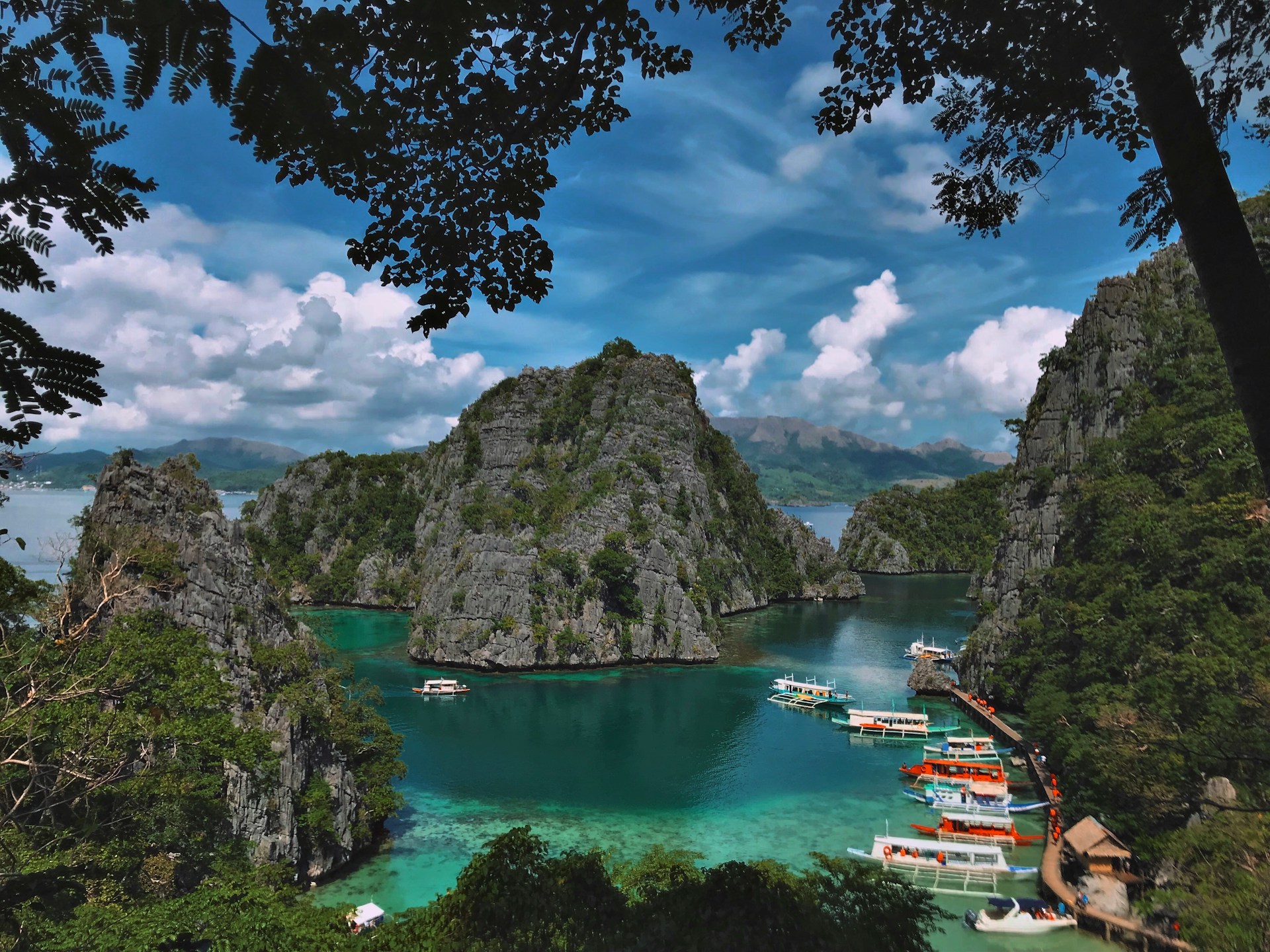
Palawan (El Nido & Coron)
Northern Palawan maintains low violent crime and strong tourism infrastructure with no terrorism risk, though water quality requires bottled sources.
Areas of Concern
Western Mindanao Provinces
Active terrorism, kidnappings, and armed clashes between security forces and extremist groups including Abu Sayyaf make this a Level 4 Do Not Travel zone.
Sulu Archipelago & Sulu Sea
Maritime piracy, terrorist bombings, and kidnapping-for-ransom operations targeting foreigners persist despite navy patrols across this vast area.
Tondo District (Manila)
Metro Manila's largest and most densely populated slum has gang control, armed criminals, and inadequate services driving poverty-related crime.
Marawi City
Site of 2017 siege still sees clashes between terrorist remnants and military forces, with U.S. government unable to provide emergency services.
#Common Scams in Philippines
From airport extortion to online booking fraud, protect yourself from these widespread schemes.
Tanim-Bala Airport Extortion
NAIA security screeners plant bullets in luggage during X-ray checks, then demand P5,000-P30,000 bribes to avoid arrest. This laglag-bala scheme resurfaced in 2025 targeting elderly tourists and OFWs.
Film all screening. Refuse bribes. Demand police involvement and embassy contact. Keep baggage receipts.
Colorum Taxi Overcharging
Unlicensed colorum taxis at NAIA charge P1,200+ for P150 trips using rigged meters or fake flat rates. Drivers claim Grab is banned and lock doors. A 2024 viral case showed 10x overcharging.
Use Grab from departure level. Insist on working meters. Use official yellow airport taxis from marked stands.
Romance Scam Networks
Organized scam farms use stolen photos on dating apps to build fake relationships over months, then request money for emergencies or visas. One UK victim lost 60,000 GBP over 14 months.
Video call before trusting anyone. Never send money to someone you haven't met. Be wary of fast love declarations.
Fake Travel Agency Fraud
Facebook pages with stolen photos and fake DOT credentials offer Boracay packages 30% below market rates. They collect deposits via GCash, then vanish. Cases jumped from 39 in 2021 to 313 in 2023.
Verify DOT accreditation at tourism.gov.ph. Pay by credit card only. Check Facebook page age and name-change history.
#Murder Without Borders Podcast
Featured true crime episodes from Philippines.
#General Philippines Safety Tips
Practical habits to help you avoid the most common problems tourists face in the Philippines.
Use ride-hailing apps instead of street taxis and tricycles
Overcharging is the top scam at airports and tourist spots, where drivers often refuse meters and inflate prices. Download Grab, Angkas, or Move It before arrival to ensure transparent, fixed pricing and better driver accountability for all your trips across major Philippine cities.
Never accept food or drinks from strangers, even friendly locals
Drugging scams are common in cities; victims often report being invited to bars by "friendly" locals who then steal from their accounts. Protect yourself by only consuming beverages you personally ordered and watched being prepared, and never leave your drinks unattended with new acquaintances.
Drink only bottled or filtered water and avoid ice outside upscale venues
Tap water is generally unsafe and causes traveler’s diarrhea in up to 50% of visitors. Street vendors frequently use tap water for ice and produce washing, so stick strictly to sealed bottled water and politely decline ice unless you are at a reputable hotel or high-end venue.
Protect yourself from mosquito bites at all times, especially during daytime
Dengue fever is a year-round threat and the most common serious illness for travelers, with Aedes mosquitoes biting primarily during the day. Use EPA-registered repellent with DEET or picaridin and wear long sleeves during peak biting hours in the early morning and late afternoon.
Wear bags and backpacks on your front in crowded areas
Pickpocketing and bag slashing are rampant in malls and airports, often involving teams who use distractions or razors. Keep your valuables in a front-facing bag with your hand on the zipper, use slash-proof materials if possible, and never store your phone or wallet in back pockets.
Inspect ATMs carefully and cover your PIN when withdrawing cash
Card skimming is widespread at standalone machines where criminals use fake readers and hidden cameras. Use ATMs located inside banks during business hours, check the card slot for loose parts or unusual attachments, and always shield the keypad with your hand when entering your PIN.
Stay out of the ocean during red flag warnings and respect local beach safety advice
Powerful rip currents and sudden waves cause regular drowning incidents, even in waist-deep water at popular beaches. Always respect red flag warnings and local advice, swim only at beaches with active lifeguards, and if caught in a rip, swim parallel to the shore instead of fighting it.
Monitor typhoon forecasts from June to November and follow evacuation orders
The Philippines averages 20 typhoons annually, primarily from June to November, with super typhoons causing massive devastation. Monitor official PAGASA forecasts and weather apps daily, be prepared to change travel plans immediately, and comply with all local evacuation orders without delay.
#Transportation Safety
Navigate jeepneys, Grab rides, tricycles, and ferries while dodging meter scams and colorum taxis
Grab is the only ride-hailing app operating in the Philippines after acquiring Uber in 2018. The service covers Metro Manila, Cebu, Davao, and other major cities with both four-wheel vehicles (GrabCar) and motorcycles (GrabBike). While generally safer than street taxis due to tracked routes and cashless payment, surge pricing during rush hours can make fares expensive, and pickup confusion is common at airports.
- •Download Grab before arrival: Uber does not operate in the Philippines. Grab is your only ride-hailing option and requires mobile data or WiFi to book.
- •Verify driver details before entering: Match the driver's photo, license plate, and vehicle model exactly as shown in the app. Take a screenshot and share your trip with someone.
- •Use GrabBike for traffic: Motorcycle taxis can navigate Manila's notorious congestion faster than cars, but helmets are mandatory by law (Republic Act 10054) and should be provided by the driver.
- •Expect airport pickup delays: NAIA terminals have restricted vehicle access. Your Grab driver may circle multiple times or cancel. Consider walking to the departure level for easier pickup.
- •Pay through the app only: Never agree to off-app cash payments or driver requests to cancel the ride and pay directly, as you lose tracking and fare protection.
#Staying Safe With The Locals
Cultural context that can help you avoid conflict.
How To Avoid Conflict With Locals
Be humble and courteous: Filipinos appreciate polite visitors who greet with a smile and a respectful 'po/opo'; they react poorly to loud, demanding tourists.
#What to Do in an Emergency
If you find yourself in trouble in the Philippines, knowing who to call and what steps to take can make all the difference.
#What To Do If...
Philippines Traveler Safety Cheat Sheet
Printable PDF guide with emergency numbers & useful phrases
National Emergency Line
Philippines' unified emergency number for police, fire, and ambulance. Works nationwide from any phone including mobiles without a SIM card.
Other Emergency Numbers
Embassy Contacts
It’s wise to note down your embassy’s contact info before you fly. Consulates can assist with lost passports and legal emergencies.
Pro Tip: Register your trip (e.g. via STEP for U.S. travelers) so your government knows you're in-country in case of a natural disaster or civil emergency.
#Philippines Violent Crime: Data & Analysis
Official statistics from UNODC, national police agencies, and international monitors.
#Overview & Trends
Homicide, assault, and sexual violence rates with trend lines showing recent changes.
#Frequently Asked Questions
Quick answers to common traveler concerns.
Bottom Line
The Philippines offers incredible experiences from world-class beaches to vibrant cities. While petty crime exists in urban areas and some regions have security concerns, most tourists have safe, memorable visits. Use common sense, stick to established tourist areas, respect local customs, and monitor weather conditions. The warmth of Filipino hospitality makes it worth the precautions.