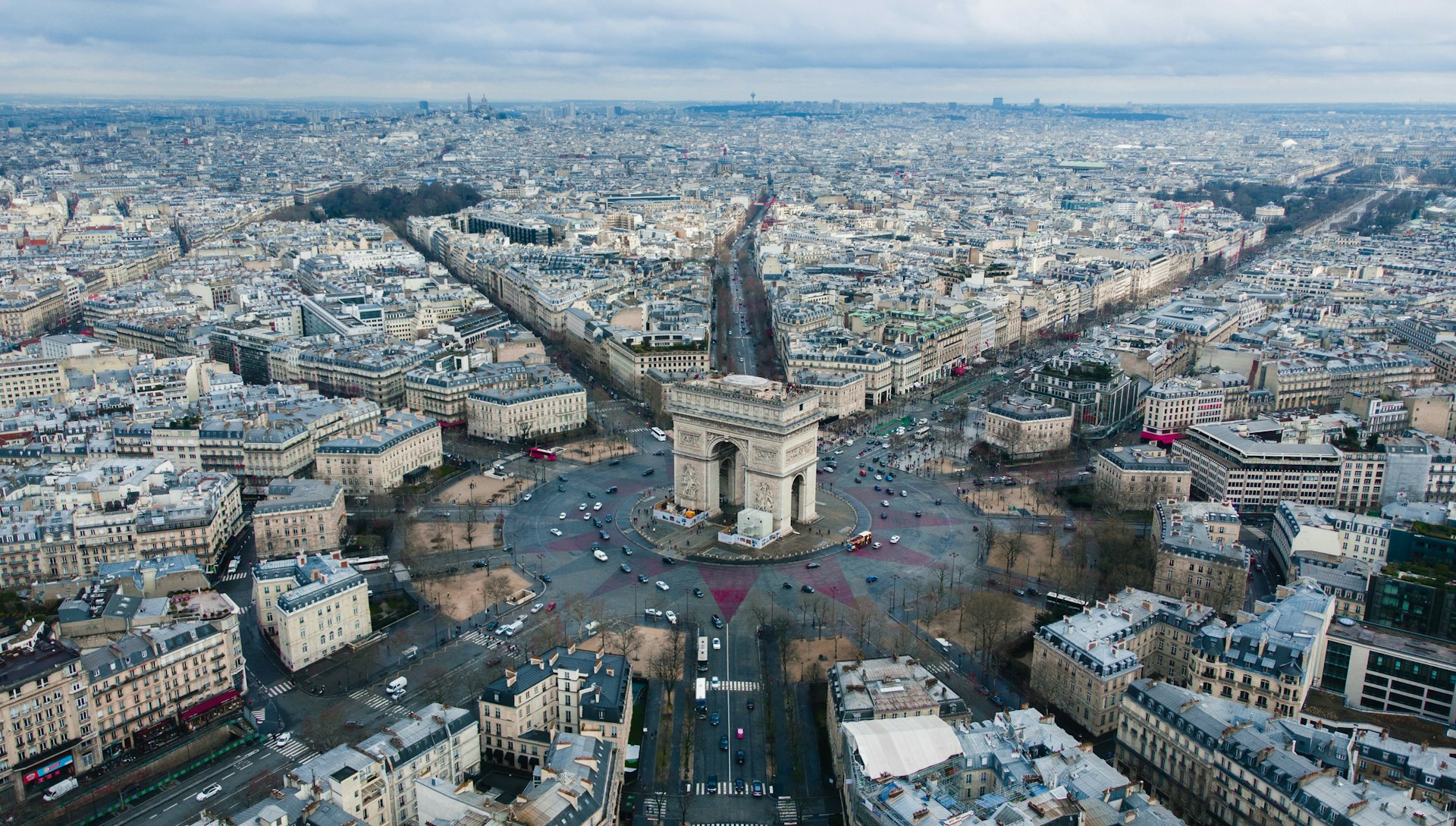
France Crime & Safety Guide
What you need to know about safety in the world's most-visited country.
Is France Safe in 2026?US Advisory: Level 2
Yes, with precautions. France is generally safe for visitors, though not trouble-free. Violent crime concentrates in areas tourists never visit. Your real concerns are pickpockets on the Metro and phone snatches at landmarks. Stay alert in crowds and secure your valuables.
The US State Department rates France a Level 2 of 4. Terrorist groups continue plotting attacks against public spaces and transportation hubs with little warning. Frequent strikes and demonstrations may disrupt travel, and some protests have historically escalated into violence or property damage.
#Top Risks for Travelers
The real safety issues you're most likely to face in France.
Pickpocketing & Phone Theft
Organized gangs, including minors, work the Eiffel Tower, Louvre, Arc de Triomphe, Notre-Dame, and Metro. Over 35,000 thefts recorded in Paris in 2024. Phones and wallets vanish in seconds.
Terrorist Attacks
France remains at its highest 'attack emergency' alert level. Knife, hammer, and bomb attacks have targeted tourist locations, transport hubs, and public gatherings with little warning.
Road Accidents
3,193 people killed on French roads in 2024, with 235,600 injured. Tourists face unfamiliar 'priority to the right' rules and distraction thefts via tire-puncturing scams.
Rip Currents
Baïnes (dangerous rip currents) occur along the Atlantic coast in Gironde and Landes. These undercurrents can pull swimmers out to sea suddenly, even on calm days.
#Where to Go & Where to Avoid
A region-by-region safety breakdown.
Crime concentrates in major cities and southern urban areas. Paris sees the most tourist-targeted theft, particularly around transit hubs and landmarks. Marseille and Montpellier have notably higher violent crime rates than the national average. Rural France, wine regions, and small towns are among the safest places in Europe for visitors.
Generally Safe Areas
French Riviera (Nice, Cannes, Antibes)
Major resort towns have strong police presence and tourist infrastructure. Monaco is exceptionally safe with extensive surveillance and high police ratios.
Strasbourg & Alsace Region
One of France's safest cities with low crime rates (41/100 index), strong security, and pedestrian-friendly tourist zones with reliable public transport.
Loire Valley Château Region
Rural areas and historic towns have very low violent crime. Tourist sites are well-maintained with good emergency services and safe for families.
Versailles
One of France's safest towns with minimal crime, extensive bike paths, and heavy security at the palace due to anti-terrorism measures.
Areas of Concern
Marseille
Europe's second most dangerous city (crime index 66) with gang violence concentrated in northern districts. Drug-related killings and armed robberies are 5x higher than other French cities.
Seine-Saint-Denis (93 Department)
Paris suburb with France's highest crime rate (95.8 index). Violent crime, carjackings, and drug activity are prevalent. Tourists have no reason to visit.
Montpellier & Grenoble
Rising gang violence and drug-related shootings. Montpellier has 19 cartel-linked shootings in 2025; Grenoble sees frequent violent incidents in social housing areas.
French-Swiss Border Crossings
Cross-border crime including ATM bombings and armed robberies. Increased border checks cause delays; criminals flee to France after Swiss crimes.
#Common Scams in France
Known cons based on real visitor accounts.
Friendship Bracelet/String Scam
Scammers tie a "free" bracelet on your wrist, then demand payment while accomplices pickpocket you. Common near the Sacré-Cœur stairways in Montmartre. Keep hands in pockets and walk away.
Airport Taxi Overcharging
Unlicensed taxis at CDG and Orly airports overcharge tourists 3-5x the official €55-65 flat rate. Use only official taxi ranks with "TAXI Parisien" signs and meters. Know rates beforehand and demand a receipt.
Fake Museum Tickets
Scammers sell counterfeit tickets outside the Louvre, Eiffel Tower, and Versailles. Fake websites charge €49 instead of the official €22. Purchase only from official museum websites or authorized vendors inside.
Fake Petition Fundraising
Young women approach tourists with clipboards claiming to collect charity signatures. After signing, they demand €5-10 donations while accomplices pickpocket you. Decline and walk away without engaging.
#Murder Without Borders Podcast
Featured true crime episodes from France.
#General France Safety Tips
Practical advice to reduce your risk.
Ignore petitioners and gold ring finders
Street scammers use distraction tactics like 'found' gold rings or fake petitions to rob tourists, especially near the Eiffel Tower. These interactions are always traps; walk away without making eye contact.
Secure your bags on the RER B airport train
Thieves target tired travelers on the line from CDG Airport, often snatching bags at stops in the northern suburbs. Keep luggage gripped between your legs—never on overhead racks—until you reach central Paris.
Validate paper train tickets before boarding
Fines for unvalidated tickets exceed €50, even for honest mistakes. You must use the yellow machines to 'composter' (stamp) paper tickets before reaching the platform, or inspectors will treat you as a fare evader.
Hide your phone near Metro train doors
Snatch-and-run thieves grab phones just as the doors chime and close, leaving victims trapped on the train. Keep devices zipped in a bag or front pocket while in transit, especially on the Metro and RER.
Steer clear of street demonstrations
Protests ('manifestations') happen frequently in French cities and can escalate quickly to tear gas and violence. If you see riot police or large crowds gathering, leave the area immediately and check local news.
#Transportation Safety
How to get around safely in France.
Uber, Bolt, and Free Now operate legally as VTCs across France, offering a safe alternative to night public transit. While generally reliable with GPS tracking, verify vehicle details before entering. Official G7 taxis booked via app have a unique advantage: they can use bus lanes to bypass traffic.
- •Choose G7 for speed: Book via the G7 app to get an official taxi that can legally use bus lanes to skip traffic jams.
- •Verify license plates: VTC drivers must display a red circular sticker; ensure the plate matches your app exactly.
- •Share your trip: Use the in-app safety toolkit to share your live location with a trusted contact during late-night rides.
#Staying Safe With The Locals
Cultural context that can help you avoid conflict.
How To Avoid Conflict With Locals
Lead with basic politeness and respect personal space. Most friction comes from tourists ignoring everyday norms, not from being foreign.
#What to Do in an Emergency
Key contacts and steps if something goes wrong.
#What To Do If...
Traveler Safety Cheat Sheet
Printable PDF guide with emergency numbers & French phrases
National Emergency Line
Connects to police, fire, and ambulance nationwide. Works from any phone. English operators available.
Other Emergency Numbers
Embassy Contacts
It’s wise to note down your embassy’s contact info before you fly. Consulates can assist with lost passports and legal emergencies.
Pro Tip: Register your trip (e.g. via STEP for U.S. travelers) so your government knows you're in-country in case of a natural disaster or civil emergency.
#France Violent Crime: Data & Analysis
Official statistics from UNODC, national police agencies, and international monitors.
#Overview & Trends
Homicide, assault, and sexual violence rates with trend lines showing recent changes.
Analysis: Homicide, Assault & Sexual Violence
Homicides are up roughly 20% since 2019, with 887 killings in 2023. Gang warfare in Marseille and domestic violence account for most deaths. Reported sexual violence has surged to 114,000 cases, largely due to better reporting post-#MeToo rather than new dangers.
#Frequently Asked Questions
Quick answers to common traveler concerns.
Bottom Line
The data shows rising crime on paper, yet for visitors the reality is that serious violence is very unlikely to affect you. The headlines tend to involve domestic or gang disputes that don't impact tourists vie-publique.fr. Your biggest concern will be pickpockets and scams, so keep your belongings secure and stay alert.